Optimizing the treatment processes in a sewage treatment plant is a complex yet crucial task that directly impacts environmental protection, public health, and resource conservation. As a trusted supplier in the Sewage Treatment Plant industry, I’ve witnessed firsthand the transformative power of well – optimized treatment processes. In this blog, I’ll share some key strategies and technologies that can help sewage treatment plants enhance their efficiency and effectiveness. Sewage Treatment Plant

Understanding the Current State of Sewage Treatment
Before diving into optimization, it’s essential to have a clear understanding of the existing sewage treatment processes. Most sewage treatment plants follow a multi – stage approach, which typically includes preliminary treatment, primary treatment, secondary treatment, and sometimes tertiary treatment.
Preliminary treatment involves the removal of large objects such as sticks, rags, and plastics through screening and grit chambers. This step protects downstream equipment from damage and reduces wear and tear. Primary treatment further separates suspended solids from the sewage using sedimentation tanks. The settled solids, known as primary sludge, are then removed for further processing.
Secondary treatment is the heart of the sewage treatment process, where biological agents break down organic matter in the wastewater. Aerobic bacteria are commonly used in activated sludge systems or trickling filters to convert organic pollutants into carbon dioxide, water, and biomass. The biomass, along with any remaining suspended solids, is removed through sedimentation or filtration.
Tertiary treatment, which is not always necessary, is used to further polish the treated water. This may involve processes such as filtration, disinfection, and nutrient removal to meet specific water quality standards.
Key Factors Affecting Treatment Process Efficiency
Several factors can influence the efficiency of sewage treatment processes. One of the most significant factors is the quality and quantity of the incoming sewage. Sewage with high levels of contaminants, such as industrial waste or heavy metals, can be more challenging to treat and may require additional treatment steps. Fluctuations in flow rates can also affect the performance of treatment units, as they may not be designed to handle sudden surges or drops in volume.
The age and condition of treatment equipment can also play a crucial role. Outdated or poorly maintained equipment may not operate at optimal efficiency and can lead to increased energy consumption and higher operating costs. Additionally, the effectiveness of biological treatment processes depends on various environmental factors, such as temperature, pH, and dissolved oxygen levels.
Strategies for Optimizing Sewage Treatment Processes
Process Automation and Control
One of the most effective ways to optimize sewage treatment processes is through automation and control systems. These systems use sensors and actuators to monitor and adjust various process parameters, such as flow rates, nutrient levels, and chemical dosages, in real – time. By continuously analyzing data and making adjustments, automation systems can ensure that treatment processes are operating at peak efficiency, reducing energy consumption and chemical usage.
For example, in an activated sludge system, an automated control system can adjust the aeration rate based on the dissolved oxygen levels in the treatment tank. This helps to maintain optimal conditions for the growth of aerobic bacteria, while minimizing energy waste. Similarly, automated chemical dosing systems can accurately deliver the right amount of coagulants and disinfectants, based on the quality of the incoming sewage, ensuring effective treatment without over – or under – dosing.
Energy Management
Energy consumption is a significant cost factor in sewage treatment plants. Optimizing energy usage not only reduces operating costs but also contributes to environmental sustainability. There are several ways to achieve energy efficiency in sewage treatment plants.
One approach is to recover energy from the sewage itself. Anaerobic digestion of sludge, for instance, can produce biogas, which can be used as a renewable energy source to power the treatment plant. Biogas can be burned to generate electricity or heat, offsetting a significant portion of the plant’s energy requirements.
Another strategy is to use energy – efficient equipment. For example, high – efficiency pumps and motors can reduce energy consumption during the conveyance and treatment of sewage. Additionally, the use of variable frequency drives (VFDs) on pumps and blowers allows for the adjustment of motor speed based on the actual demand, further reducing energy waste.
Nutrient Removal Optimization
Nutrient removal, particularly the removal of nitrogen and phosphorus, is an important aspect of sewage treatment, as excessive nutrients can cause eutrophication in receiving water bodies. To optimize nutrient removal, advanced treatment technologies can be employed.
One such technology is biological nutrient removal (BNR). BNR systems use a combination of aerobic and anaerobic conditions to facilitate the conversion of nitrogen and phosphorus compounds into forms that can be more easily removed. For example, in the biological nitrogen removal process, ammonia is first converted to nitrate under aerobic conditions and then to nitrogen gas under anaerobic conditions. This process can be enhanced by controlling the residence time, dissolved oxygen levels, and the addition of carbon sources.
Another approach is the use of chemical precipitation for phosphorus removal. By adding chemicals such as iron or aluminum salts, phosphorus can be precipitated out of the wastewater as insoluble compounds. The dosage of these chemicals can be optimized based on the influent phosphorus concentration and the desired effluent quality.
Sludge Management Optimization
Sludge management is an integral part of sewage treatment and significantly impacts the overall cost and environmental footprint of the plant. Optimizing sludge management involves reducing the volume of sludge generated, improving the quality of sludge, and finding beneficial uses for the sludge.
One way to reduce sludge volume is through sludge thickening and dewatering. Thickening processes, such as gravity thickening or dissolved air flotation, can increase the solids concentration of the sludge, reducing the volume that needs to be further processed. Dewatering technologies, such as belt presses or centrifuges, can then be used to remove additional water from the sludge, making it easier to handle and transport.
In terms of finding beneficial uses for sludge, it can be composted and used as a soil conditioner or fertilizer, provided that it meets the relevant quality standards. Additionally, sludge can be incinerated to generate energy, further reducing the dependency on fossil fuels.
Technological Innovations in Sewage Treatment
The sewage treatment industry is constantly evolving, with new technologies emerging to improve treatment efficiency and effectiveness. One of the promising technologies is membrane bioreactors (MBRs). MBRs combine biological treatment with membrane filtration, allowing for a more compact and efficient treatment process. The membranes can effectively remove suspended solids, bacteria, and some viruses, producing high – quality effluent.
Another innovation is the use of advanced oxidation processes (AOPs). AOPs generate highly reactive hydroxyl radicals that can break down persistent organic pollutants, such as pharmaceuticals and personal care products, which are difficult to remove using conventional treatment methods. These processes can be used in combination with other treatment steps to enhance the overall treatment performance.
Collaboration and Training
Optimizing sewage treatment processes also requires collaboration between different stakeholders, including plant operators, engineers, researchers, and suppliers. As a supplier, we play a crucial role in providing technical support, innovative products, and training to plant operators.
We offer ongoing training programs to help plant operators understand the latest technologies and best practices in sewage treatment. These programs cover topics such as process operation, equipment maintenance, and safety procedures. By empowering plant operators with the knowledge and skills they need, we can ensure that treatment processes are operated and maintained at optimal levels.
Conclusion
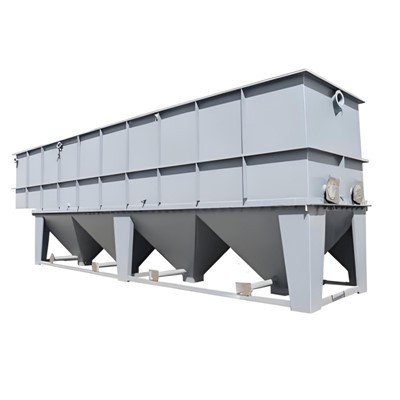
Optimizing the treatment processes in a sewage treatment plant is a continuous journey that requires a comprehensive approach. By implementing strategies such as process automation, energy management, nutrient removal optimization, and sludge management optimization, along with leveraging the latest technological innovations, sewage treatment plants can improve their efficiency, reduce operating costs, and protect the environment.
Water Purification and Other Equipment As a leading supplier in the Sewage Treatment Plant industry, we are committed to providing high – quality products, cutting – edge technologies, and expert support to help our customers optimize their treatment processes. If you are interested in learning more about how we can help your sewage treatment plant achieve its performance goals, or if you are looking to procure advanced treatment equipment and solutions, we encourage you to reach out to us for a detailed discussion. Our team of experts will work closely with you to understand your specific needs and develop customized solutions that meet your requirements.
References
- Metcalf & Eddy. (2003). Wastewater Engineering: Treatment and Reuse. McGraw – Hill.
- Tchobanoglous, G., Burton, F. L., & Stensel, H. D. (2003). Wastewater Engineering: Treatment, Disposal, and Reuse. Pearson Education.
- WEF. (2019). Water Environment Federation Annual Technical Exhibition and Conference (WEFTEC) Proceedings.
Shandong Lingke Environmental Technology Co., Ltd.
We’re well-known as one of the leading sewage treatment plant manufacturers and suppliers in China, featured by quality products and good price. Please rest assured to buy durable sewage treatment plant for sale here from our factory. Customized orders are welcome.
Address: 100 Meters South of the Intersection of County Road 042 and National Highway 309, Changle County, Weifang City, Shandong Province
E-mail: aileenlin@sdlingkegroup.com
WebSite: https://www.lkecotech.com/
