If you’re reading this, chances are you’re in the middle of planning a cleanroom project—and when it comes to critical components that balance hygiene, durability, and operational efficiency, the steel door you choose isn’t a decision to rush. As a supplier who’s worked with biotech labs, pharmaceutical manufacturing facilities, and semiconductor cleanrooms for over 12 years, I’ve seen first-hand how picking the wrong door can lead to compliance failures, cross-contamination risks, and costly downtime. This blog breaks down the practical, site-specific steps to land a cleanroom steel door that fits your project like a glove. Cleanroom Steel Door

First, start with the core of your cleanroom: its classification. ISO 14644-1 is the global standard that defines cleanroom cleanliness, based on the maximum number of airborne particles per cubic meter. A Class 5 cleanroom (common for semiconductor wafer fabrication) demands far stricter sealing than a Class 8 space (used for warehousing or non-critical assembly). For steel doors, this translates to more robust gasketing and edge seals. I recently supported a medical device startup building a Class 7 cleanroom for sterile packaging; their initial draft plan included a standard industrial steel door, but a quick review revealed it had a 2mm gap at the bottom large enough to let 10,000+ 0.5-micron particles enter per cubic meter. We swapped in a door with a full-perimeter, EPDM foam gasket that compresses 3mm when closed, meeting their particle count requirements without overspending on a heavy-duty Class 5 door they didn’t need. Never guess your classification—confirm it with your project’s engineering specs, because that’s your north star for every door feature.
Next, consider the environment the door will live in. Not all cleanrooms are the same: some are cold rooms for vaccine storage, others have high humidity from pharmaceutical mixing processes, and a few experience frequent temperature swings from sterile sterilization cycles. Steel doors naturally resist corrosion, but the type of steel coating matters. For high-humidity cleanrooms, a powder-coated 304 stainless steel door is non-negotiable; it won’t rust even with daily exposure to water-based sanitizers. In cold rooms, look for doors with thermal break cores—these prevent condensation buildup that can drip onto critical products, a common issue with uninsulated steel doors. A semiconductor plant in Arizona once had to replace 12 doors because their standard cold-roll steel doors (no thermal break) developed condensation overnight, causing minor water damage to silicon wafers worth tens of thousands of dollars. As a supplier, we now include a free environment assessment with every project inquiry to flag these risks before installation.
Then, think about operational workflow, because even the best-performing door is useless if it slows down your team. Cleanroom steel doors come in three main operation types, and choosing the wrong one can bottleneck production. Swing doors are the most affordable and common for small cleanrooms, but they require clear space on both sides and can create air turbulence when opened—bad for particle control. Sliding doors are ideal for areas with limited space; they glide along a track, so they don’t swing into walkways, and many models have a soft-close mechanism that reduces air disruption. For high-traffic areas (like a pharmaceutical packaging line where 50+ people pass through the door every hour), automatic sliding doors with motion sensors are a game-changer—they eliminate hand contact, which is a key hygiene requirement, and cut down on air exchange. I worked with a biotech lab that switched from manual swing doors to automatic sliding doors in their Class 6 cleanroom and saw a 30% reduction in airborne particle levels during peak production, because staff no longer propped doors open for quick access. Don’t forget to consider load capacity: if you’re moving large equipment (like a 1,000kg packaging machine) through the door, you’ll need a reinforced frame and a heavy-duty sliding door track, not a standard residential-style sliding door.
Compliance is non-negotiable for most cleanroom projects, so your door needs to match industry-specific regulations. For pharmaceutical facilities, the FDA’s 21 CFR Part 11 and Part 211 mandate that all equipment in the cleanroom is easy to clean and free of crevices that can harbor bacteria. That means no exposed screws, no door handles with deep grooves, and a smooth, non-porous surface that can withstand daily wiping with disinfectants. For food and beverage cleanrooms, the USDA’s Food Safety and Inspection Service (FSIS) requires doors to be resistant to chemicals used in sanitation and easy to inspect for damage. Semiconductor cleanrooms have their own rules from SEMI (Semiconductor Equipment and Materials International), which focuses on static electricity—so many of our doors include anti-static coatings to prevent ESD damage to delicate chips. I once had a client in the medical device space try to save money by using a door with a plastic handle; within six months, the handle had cracked, creating a bacteria trap and leading to a $50,000 FDA audit fine. Always cross-reference your door specs with the regulations applicable to your industry, and ask your supplier for compliance documentation before finalizing a purchase.
Now, small details that make a big difference. Let’s start with sealing: a door that closes flush is only as good as its gaskets. Look for doors with continuous gaskets around the entire perimeter, not just along the top or sides. For bottom sealing, some doors have automatic drop seals that lower when the door closes, instead of manual sweep gaskets that can get damaged from frequent use. Another detail is vision panels: if you need to see into the cleanroom without opening the door, use polycarbonate panels (10mm thick minimum) instead of glass—glass can shatter, and polycarbonate is impact-resistant and won’t release sharp particles if it breaks. For lock sets, choose a keyless entry system with a sanitary design (no metal keyholes that can accumulate dirt) for cleanrooms where multiple staff access the space. Even the installation frame matters: a welded steel frame is more durable than a bolted frame, and it creates a tighter seal with the door, preventing air leaks over time. I’ve seen bolted frames come loose after two years of constant door operation, leading to gaps that required door replacement.
Don’t overlook long-term maintenance when choosing your door. A cleanroom door that works well for six months is useless if it breaks every month, leading to downtime that halts production. Steel doors are low-maintenance by nature, but some designs require more upkeep than others. For example, powder-coated doors are easy to wipe clean, but they can scratch if not handled properly; galvanized steel doors are more scratch-resistant but require regular checks for rust in high-moisture areas. Automatic doors need annual servicing to ensure sensors work and tracks stay clear of debris, so factor in maintenance costs when budgeting. As a supplier, we offer a 2-year warranty on all our cleanroom steel doors, plus a preventive maintenance program that includes quarterly checks to catch small issues before they become big problems. A semiconductor client once skipped the maintenance program and had a sliding door track jam during a production run; it took 8 hours to fix, costing them $120,000 in lost output. That’s why we always emphasize that maintenance isn’t an extra cost—it’s an investment in keeping your cleanroom running.
Let’s wrap this up with a real example to tie it all together. Last year, a contract research organization (CRO) reached out to us with a project for a Class 7 cleanroom where they’d store research samples and conduct sterile testing. Their initial plan was to buy a standard $800 industrial steel door, but after walking through the steps we’ve covered, we worked with their engineering team to adjust: they needed a Class 7-specific door with a full EPDM gasket, a 304 stainless steel powder coating (for high humidity in their lab), automatic sliding doors (for high traffic of lab staff and sample carts), a smooth surface for FDA compliance, and a 5-year warranty. The total cost was $2,800, but they calculated that it would save them $15,000 in potential compliance fines, $20,000 in lost sample integrity from cross-contamination, and avoid the $120,000 downtime cost we mentioned earlier. They went with that door, and six months later, sent a note saying their particle counts remained well within Class 7 standards and maintenance has been zero.
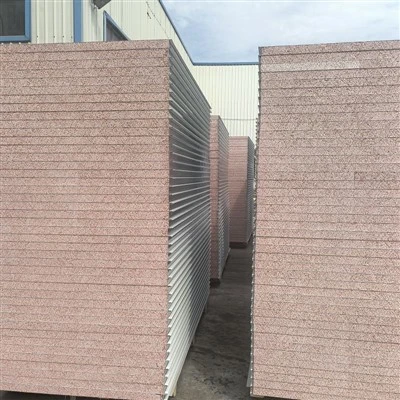
Choosing the right cleanroom steel door isn’t just about picking a steel door—it’s about aligning it with your cleanroom classification, environment, workflow, compliance rules, and long-term maintenance needs. Every project is unique, and there’s no one-size-fits-all solution. If you’re in the planning phase and want to skip the guesswork, our team can walk through your project’s specifics, share relevant industry standards, and help you select a door that meets your requirements without overspending. Reach out to our team to discuss your cleanroom steel door needs and get a tailored recommendation for your project.
Color Steel Sandwich Panel References
ISO 14644-1: Cleanrooms and associated controlled environments — Part 1: Classification of air cleanliness by particle concentration
21 CFR Part 11: Electronic Records; Electronic Signatures
SEMI Standard E10-0605: Specification for Static Control Materials and Devices — Classification and Measurement of Electrostatic Discharge Sensitivity
USDA FSIS Sanitation Standard Operating Procedures (SSOPs) for Meat and Poultry Plants
Suzhou Jinye Air Purification Steel Structure Co., Ltd.
As one of the most professional cleanroom steel door manufacturers and suppliers in China, we offer a wide range of products with superior quality. Please feel free to wholesale durable cleanroom steel door for sale here from our factory.
Address: No. 858 Jinsheng Road, Jinjiaba Town, Wujiang District, Suzhou City, Jiangsu Province, China
E-mail: 18913057067@163.com
WebSite: https://www.suzhoujinye.com/
