Hey there! I’m a supplier of Feeding and Discharging Systems, and today I wanna chat about something super important: the power consumption of these systems. Feeding and Discharging System
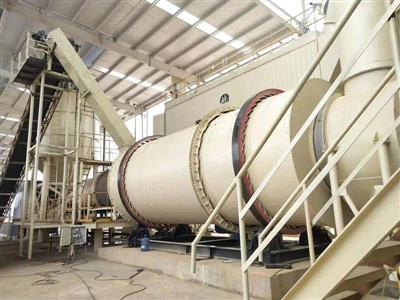
First off, let’s get into what a Feeding and Discharging System actually does. It’s basically a set – up that moves materials from one place to another in an industrial or manufacturing setting. Whether it’s feeding raw materials into a production line or discharging finished products, these systems are crucial for keeping things running smoothly.
Now, the power consumption of these systems depends on a bunch of factors. One of the biggest ones is the type of equipment used. There are different kinds of motors, conveyors, pumps, and other components that make up a Feeding and Discharging System, and each has its own power requirements.
Let’s talk about motors first. Motors are like the heart of the system. They provide the force needed to move things around. The power consumption of a motor is mainly determined by its size, efficiency, and how hard it’s working. A larger motor generally consumes more power, but it can also handle heavier loads. For example, if you’ve got a big – scale manufacturing process that has to move large amounts of heavy materials, you’re gonna need a beefy motor. But these big motors can be real power hogs.
A high – efficiency motor, on the other hand, can save you a ton of energy. Modern motors are designed to be more energy – efficient than the old ones. They use advanced technology to convert electrical energy into mechanical energy with less waste. So, when you’re choosing a motor for your Feeding and Discharging System, it’s worth investing in an energy – efficient one. It might cost a bit more upfront, but in the long run, it’ll save you money on your electricity bills.
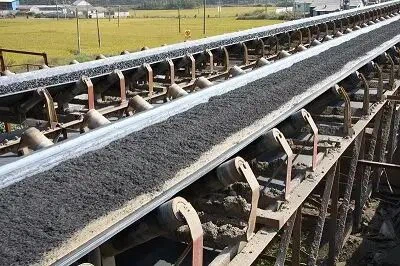
Conveyors are another key part of the system. They’re used to transport materials along a path. The power consumption of conveyors depends on their length, width, and the speed at which they operate. A longer conveyor will generally require more power because it has to move the materials over a greater distance. Similarly, a wider conveyor might need more power to handle a larger volume of materials. And if you run the conveyor at a high speed, it’ll also consume more energy.
Some conveyors use belts, while others use chains or rollers. Belt conveyors are quite common, and they’re usually more energy – efficient than chain conveyors, especially for lighter loads. Chain conveyors, though, are better for heavy – duty applications. But they do tend to use more power because of the additional resistance in the chain mechanism.
Pumps are also important in Feeding and Discharging Systems, especially when dealing with liquids or slurries. The power consumption of a pump depends on the flow rate, the pressure it needs to generate, and the efficiency of the pump itself. A pump that has to move a large volume of liquid at a high pressure will obviously use more power. And just like with motors, there are high – efficiency pumps available that can reduce energy consumption.
Another factor that affects power consumption is the control system of the Feeding and Discharging System. A good control system can optimize the operation of the equipment, making sure that it only uses as much power as necessary. For example, it can adjust the speed of the motors or conveyors based on the actual load. If there’s less material to move, the system can slow down and save energy.
Automated control systems are getting really popular these days. They can be programmed to start and stop the equipment at the right times, and they can also monitor the performance of the system in real – time. This way, any inefficiencies can be detected and corrected quickly, reducing power consumption.
Now, let’s look at some ways to reduce the power consumption of Feeding and Discharging Systems. First of all, regular maintenance is essential. Keeping the equipment clean and well – lubricated can reduce friction, which in turn reduces the amount of power needed to operate it. For motors, you should check the bearings regularly and replace them if they’re worn out. For conveyors, make sure the belts are properly tensioned and free from any debris.
Upgrading the equipment is another good idea. As I mentioned earlier, newer models are often more energy – efficient. You might also consider adding energy – saving features like variable – speed drives. These drives allow you to adjust the speed of the motors or pumps according to the load, which can lead to significant energy savings.
Proper system design is crucial too. When designing a Feeding and Discharging System, you should try to minimize the distance that the materials have to travel and the number of components involved. A simpler system is generally more energy – efficient. You should also consider the layout of the equipment in the factory. Placing the components in a logical and efficient way can reduce the power needed to move the materials.
So, why does all this matter? Well, for one thing, reducing power consumption can save you a lot of money. Electricity costs can be a major expense for industrial operations, and by making your Feeding and Discharging System more energy – efficient, you can cut down on those costs.
It’s also good for the environment. Using less energy means reducing your carbon footprint. In today’s world, where sustainability is becoming more and more important, having an energy – efficient Feeding and Discharging System can give your business a competitive edge.
If you’re in the market for a Feeding and Discharging System, or if you’re looking to upgrade your existing one, I’d love to have a chat with you. I can help you figure out the best system for your needs, taking into account factors like power consumption and cost – effectiveness. Let’s talk about how we can make your operations more efficient and profitable. Feel free to reach out and start the conversation—we can find the perfect solution together!
Dust Collectors References:
- "Industrial Motor Systems and Energy Efficiency" by various industry experts
- "Conveyor Systems Handbook" for information on conveyor power consumption
- "Pump Efficiency and Energy Management" publications for pump – related data
Jiangsu Haike Environmental Tech Co., Ltd.
As one of the most professional feeding and discharging system manufacturers and suppliers in China, we’re featured by quality products and good service. Please rest assured to wholesale customized feeding and discharging system at competitive price from our factory. Contact us for quotation.
Address: No.1, Wei’er Branch Road, Shanggang Industrial Park, Jianhu County, Yancheng City, Jiangsu Province, China
E-mail: 17388487000@163.com
WebSite: https://www.jshkhbwm.com/
