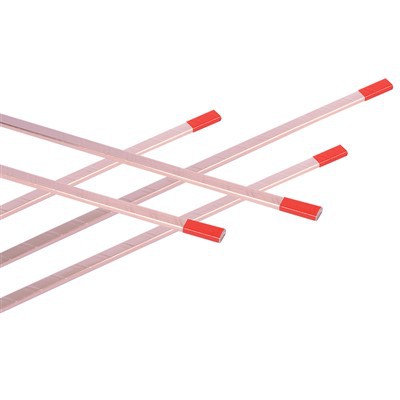
When dealing with continuously transposed conductors (CTCs), which are critical components in power transformers and other high – power electrical equipment, safety precautions are of utmost importance. As a supplier of continuously transposed conductors, I have witnessed firsthand the potential risks associated with their handling and the essential steps to mitigate them. Continuously Transposed Conductors
Personal Protective Equipment (PPE)
One of the most fundamental safety aspects when handling continuously transposed conductors is the use of appropriate personal protective equipment. Workers should always wear safety glasses to protect their eyes from flying debris, small metal particles, or any splashes that might occur during the handling process. Even a tiny metal fragment can cause significant eye damage, leading to vision impairment or even blindness in severe cases.
Gloves are another crucial piece of PPE. Insulated gloves made from materials like rubber or neoprene should be worn to prevent electrical shock. Since CTCs are conductors of electricity, there is always a risk of coming into contact with live electrical currents. These gloves act as a barrier, reducing the chance of the current passing through the body. Additionally, gloves can protect hands from cuts and abrasions caused by the sharp edges of the conductors, especially when cutting or bending them.
Steel – toed boots are also necessary. During the handling of CTCs, heavy coils or equipment might be moved around. A dropped coil or a tool can cause serious foot injuries. Steel – toed boots provide protection to the toes and the feet from such impacts.
Storage Safety
Proper storage of continuously transposed conductors is vital for both their quality and safety. The storage area should be dry and well – ventilated. Moisture can cause corrosion on the conductors, which not only degrades their electrical performance but also makes them weaker and more likely to break during handling. Corroded conductors can also pose a fire hazard when used in electrical equipment.
CTCs should be stored on flat, stable surfaces. Coils should be stacked properly to prevent them from toppling over. Over – stacking can lead to instability, and if a coil falls, it can cause physical injuries to workers nearby or damage to other stored materials. Also, the storage area should be clearly marked, indicating the location of different types and sizes of conductors, to avoid confusion during retrieval and handling.
Handling and Transportation
When it comes to physically moving continuously transposed conductors, mechanical aids such as cranes or forklifts should be used whenever possible. CTC coils can be quite heavy, especially large ones, and manual lifting can lead to back injuries, strains, and sprains. Workers should be trained to operate these mechanical aids safely. They need to understand the load – carrying capacity of the equipment and how to properly secure the conductors during lifting and transportation.
During transportation, the conductors should be firmly secured to prevent shifting. Shifting conductors can not only damage the product itself but also cause the vehicle to become unbalanced, increasing the risk of accidents. The transportation vehicle should also be suitable for carrying electrical conductors, with proper insulation and protection to prevent any electrical interference and short – circuits.
Electrical Safety
Given that continuously transposed conductors are used in electrical systems, electrical safety is a top priority. Before any work on the conductors, the power supply should be switched off and locked out. This is known as the lock – out/tag – out (LOTO) procedure. A lock is placed on the power source to prevent it from being accidentally turned on, and a tag is attached to indicate that work is in progress. This procedure helps protect workers from electrical shock.
When working on live circuits is unavoidable (which should be a rare occurrence, and only done by highly trained professionals), proper insulation and isolation techniques should be used. Insulated tools should be employed to minimize the risk of electrical contact. Workers should also be aware of the electrical potential and the possible paths of current flow to avoid creating a circuit through their bodies.
Fire and Explosion Safety
CTCs can generate heat during normal operation, and in some cases, if there are faults or short – circuits, the temperature can rise significantly. Therefore, fire prevention measures are essential. The working area should be free of flammable materials and sources of ignition. Fire extinguishers should be readily available and workers should be trained in their use.
In addition, certain environments where CTCs are used may have a risk of explosion due to the presence of flammable gases or dust. In such cases, the conductors and associated equipment should be designed and installed to meet explosion – proof standards. This includes proper grounding, isolation, and protection against sparks.
Training and Education
All workers involved in handling continuously transposed conductors should receive comprehensive safety training. This training should cover the proper use of PPE, storage procedures, handling techniques, electrical safety, and fire prevention. Regular refresher courses should be conducted to ensure that workers stay updated on the latest safety practices.
Moreover, safety signs and labels should be prominently displayed in the workplace. These signs can alert workers to potential hazards, such as electrical shock, fire, or the need to wear specific PPE. By creating a safety – conscious work environment, the likelihood of accidents can be significantly reduced.
Quality Assurance and Inspection
As a supplier, we also play a crucial role in ensuring the safety of continuously transposed conductors. We conduct rigorous quality control checks on our products. This includes inspecting the conductors for any manufacturing defects, such as cracks, breaks, or improper transpositions. Defective conductors can pose serious safety risks when used in electrical equipment, leading to malfunctions, short – circuits, or even fires.
Regular inspections of the stored conductors are also necessary. This can help detect any signs of corrosion, damage, or degradation over time. Any conductors that do not meet the safety and quality standards should be immediately removed from the storage area and either repaired or discarded.
Environmental Considerations
In addition to safety during handling, we also need to consider the environmental impact of continuously transposed conductors. The materials used in CTCs, such as copper and aluminum, are non – renewable resources. Therefore, proper recycling and waste management practices should be implemented. At the end of their service life, the conductors should be recycled to reduce the demand for new raw materials and minimize environmental pollution.
Conclusion
In conclusion, handling continuously transposed conductors requires a comprehensive approach to safety. From wearing the right personal protective equipment to following strict electrical and fire safety protocols, every step in the process is crucial. As a supplier, we are committed to not only providing high – quality CTCs but also ensuring that our customers and workers are well – informed about the safety precautions.
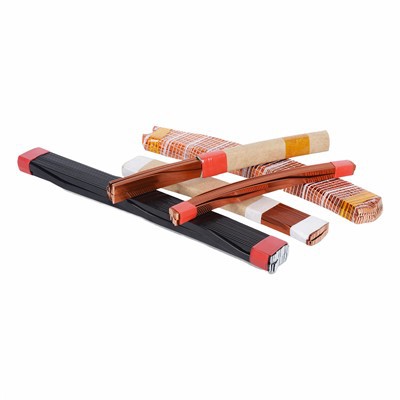
Wrapped Wire If you are in the market for continuously transposed conductors, we are here to offer you the best products and support. Our team of experts can assist you in choosing the right conductors for your specific needs and ensuring that you are aware of all the necessary safety measures. Reach out to us to start a discussion about your procurement requirements and to learn more about how we can contribute to the safety and efficiency of your electrical systems.
References
- "Electrical Safety Handbook" – Various industry – standard safety guidelines and best practices for electrical work.
- Manufacturing specifications and safety manuals for continuously transposed conductors provided by leading industry associations.
Tianjin Jingwei Power Technology Co., Ltd.
As one of the most professional continuously transposed conductors manufacturers and suppliers in China, we’re featured by quality products and good service. Please rest assured to buy durable continuously transposed conductors made in China here from our factory. Contact us for more details.
Address: No.1 Chuangxin Rd. Xiaozhan Industrial Park, Jinnan District, Tianjin, China
E-mail: info@jwdc.cn
WebSite: https://www.jw-dcs.com/
