Hey there! I’m a supplier of acoustic wall panels, and I’m super stoked to chat about how these nifty panels interact with other building materials. You know, acoustic wall panels aren’t just these standalone things; they play a big role in a building’s overall design and functionality when combined with other stuff. Acoustic Wall Panel
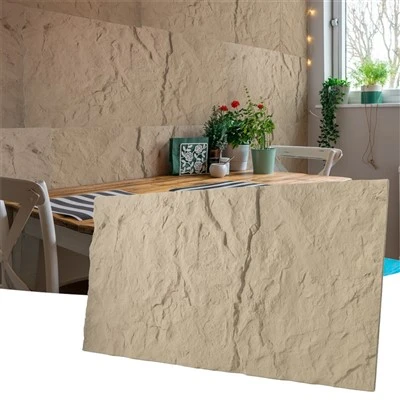
Let’s start with drywall. Drywall is like the bread and butter of interior construction. It’s everywhere in buildings, from homes to offices. When you pair acoustic wall panels with drywall, it’s a match made in heaven. Drywall on its own doesn’t do much for sound control. It’s mostly there for the structural part and giving a nice flat surface. But when you install acoustic wall panels on top of it, it’s like adding a superpower.
The acoustic wall panels absorb sound waves that hit the wall. When sound waves reach the drywall, they’d usually bounce back into the room, causing echoes and making the place noisy. But the acoustic panels catch these waves. They’re made with special materials that allow the sound to penetrate and get trapped inside, converting the sound energy into a tiny bit of heat. So, in a room with drywall and acoustic panels, you’ll notice a huge reduction in echoes, which makes the whole place more comfortable and easier to talk in.
Now, let’s move on to wood. Wood is a popular building material, especially for decorative purposes. It gives a warm and inviting look to a room. But in terms of acoustics, it can be a bit of a double – edged sword. Solid wood can reflect a lot of sound, just like drywall. However, when you use acoustic wall panels alongside wood, you can balance things out.
If you’re using wood paneling on a wall, you can install acoustic wall panels in strategic areas. For example, in a music room with wood features, you might put the acoustic panels behind the performers or on the walls opposite the sound source. The panels will absorb the sound that would otherwise bounce off the wood and create a muddled mess. This way, you get the aesthetic appeal of wood and the acoustic benefits of the panels.
Another interesting combination is with concrete. Concrete is a heavy – duty building material used in lots of commercial and industrial buildings. It’s great for structural support, but it’s really bad at sound absorption. Sound waves just ricochet off concrete walls like crazy. This is where acoustic wall panels come in handy.
In a concrete building like a factory or a warehouse, installing acoustic wall panels can transform the acoustic environment. The panels help to break up the sound reflections from the concrete. They can reduce the overall noise level, making it a more pleasant and safer place for workers. Also, in a concrete – based office building, acoustic wall panels can improve speech clarity, which is super important for meetings and day – to – day communication.
Insulation is another key building material that interacts with acoustic wall panels. Fiberglass or rock wool insulation is often used in walls to keep the temperature stable. But it can also play a role in sound control. When insulation is combined with acoustic wall panels, they create a one – two punch for sound management.
The insulation inside the wall helps to block sound from traveling through the wall to the outside or between different rooms. Meanwhile, the acoustic wall panels on the surface take care of the sound reflections within the room. It’s like having a soundproof envelope around the space. In a home, this combination can mean better privacy between rooms and a more peaceful living environment.
Flooring materials also have an impact on how acoustic wall panels work. For instance, if you have a hard – floor surface like tile or hardwood, sound waves will bounce off it and then hit the walls. The acoustic wall panels can then catch these reflected sound waves. On the other hand, if you have carpeted floors, the carpet will absorb some of the sound, which means the acoustic wall panels won’t have to do as much work. But even with carpet, the panels can still enhance the overall acoustic quality by dealing with the remaining sound reflections.
When it comes to ceilings, ceiling tiles are a common building material. Just like other materials, ceiling tiles can reflect or absorb sound to some extent. If you use acoustic wall panels in conjunction with sound – absorbing ceiling tiles, you’re creating a more comprehensive acoustic solution. The wall panels deal with the sound that bounces off the walls, and the ceiling tiles take care of the sound coming from above. This setup can greatly reduce the reverberation time in a room, making it ideal for places like auditoriums or conference halls.
Now, let’s talk about the installation process and how the interaction between acoustic wall panels and other materials can affect it. When installing acoustic wall panels on different surfaces, you have to consider the type of adhesive or fastening method. For example, on drywall, you can use a simple adhesive or mounting clips. But when it comes to concrete, you might need special masonry anchors.
Also, the thickness and density of the other building materials matter. If you’re putting panels on a thick layer of insulation, you might need longer fasteners to ensure a secure installation. And if the surface is uneven, like some rough – cut wood, you may need to do some pre – treatment to make sure the panels are installed flat and properly.
In terms of maintenance, the combination of acoustic wall panels with other building materials can also have an impact. For example, if you have panels installed on a wall with a painted surface, you need to be careful not to damage the paint when cleaning or replacing the panels. And if the panels are installed in a high – humidity area with materials that are sensitive to moisture, like some types of wood, you need to make sure the panels are also moisture – resistant to prevent any issues.
So, as you can see, acoustic wall panels have a really important role to play when combined with other building materials. They can enhance the acoustic performance of a building, improve comfort, and even add to the overall aesthetics. Whether you’re building a new home, an office, or a commercial space, considering how acoustic wall panels interact with other materials is crucial.
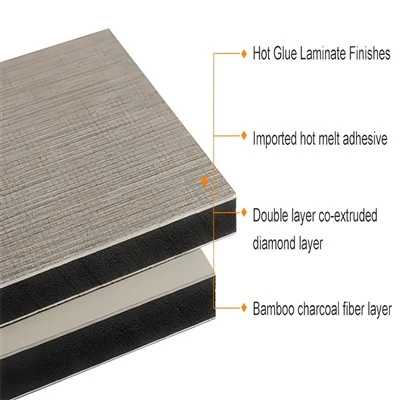
If you’re in the market for acoustic wall panels and want to learn more about how they can work with your specific building materials, I’d love to have a chat. Just reach out, and we can discuss your project in detail. I’m here to help you create the perfect acoustic environment for your space.
Other Wall Panels References:
- Acoustics Handbook by Cyril M. Harris
- Building Materials and Systems for Architects, Engineers, and Builders by John R. Schodek, Daniel E. Bechthold, and William T. Rees
Shandong Dowell Decorative Material Co., Ltd.
With abundant experience, we are one of the most professional acoustic wall panel manufacturers and suppliers in China. We warmly welcome you to wholesale premium acoustic wall panel at competitive price from our factory. If you have any enquiry about cooperation, please feel free to email us.
Address: Room 913, 9th Floor, International Trade Service Center, No. 100 Lingong Road, Comprehensive Bonded Zone, Chaoyang Street, Yihe New District, Linyi City, Shandong PR, China
E-mail: info@dowellpanel.com
WebSite: https://www.dowellspcfloor.com/
