Hey there! As a supplier of slurry pumps, I’ve seen my fair share of issues with these bad boys not working as they should. Slurry pumps are crucial in tons of industries, like mining, construction, and wastewater treatment. They’re built to handle some seriously tough stuff – you know, that thick, abrasive mix of liquids and solids. When they’re not firing on all cylinders, it can really throw a wrench in your operations. So, in this blog, I’m gonna share some tips on how to troubleshoot a slurry pump that’s acting up. Slurry Pump

1. Check the Basics First
Before you start diving deep into complex problems, it’s always a good idea to check the simple things. You’d be surprised how often a problem can be fixed with a quick look at the basics.
Power Supply
The first thing you gotta do is make sure the pump is getting power. Sounds obvious, right? But sometimes, the power cord can get loose, or there might be an issue with the breaker. Check if the power switch on the pump is in the "on" position. If it’s a hard-wired pump, go to the breaker box and see if the circuit breaker for the pump has tripped. If it has, reset it. But if it keeps tripping, there’s probably a bigger electrical problem.
Inlet and Outlet Pipes
Next, take a look at the inlet and outlet pipes. The inlet pipe might be blocked by debris, which can stop the flow of slurry into the pump. Inspect the pipe for any visible blockages, like rocks or large chunks of material. If you find something, clear it out carefully. Also, check the outlet pipe for kinks or restrictions. A kinked pipe can reduce the flow and put extra strain on the pump.
Priming
Proper priming is essential for a pump to work correctly. If the pump isn’t primed, it won’t be able to create the suction needed to move the slurry. Some pumps are self-priming, but others need to be manually primed. Check the pump’s manual to see if it needs priming and follow the instructions carefully. Make sure there’s no air in the pump casing or the suction line. You can do this by filling the pump with liquid until it’s completely full and there are no air bubbles.
2. Analyze the Pump Performance
If the basics check out, it’s time to start looking at the pump’s performance. Here are some things to consider.
Flow Rate
One of the most common issues with a slurry pump is a low flow rate. This could be due to a few different things. First, check the impeller. The impeller is the part of the pump that actually moves the slurry. Over time, it can get worn out or damaged by the abrasive nature of the slurry. If the impeller is worn, it won’t be able to move as much slurry as it should, which can result in a low flow rate. You might need to replace the impeller if it’s severely worn.
Another thing that can affect the flow rate is the viscosity of the slurry. If the slurry is too thick, it can be harder for the pump to move it. Check the consistency of the slurry and make sure it’s within the pump’s recommended operating range. You might need to adjust the dilution of the slurry by adding more liquid if it’s too thick.
Pressure
The pressure of the pump is also important. If the pressure is too low, it could mean there’s a problem with the impeller or the pump’s seals. A worn impeller can’t generate enough pressure to move the slurry effectively. Check the impeller for wear and tear, and if necessary, replace it.
The pump’s seals also play a crucial role in maintaining pressure. If the seals are damaged or worn, they can leak, which can cause a drop in pressure. Inspect the seals for any signs of damage, such as cracks or leaks. If you find any issues with the seals, you’ll need to replace them.
On the other hand, if the pressure is too high, it could be due to a blockage in the outlet pipe or an overloaded pump. Check the outlet pipe for blockages and make sure the pump isn’t being asked to handle more slurry than it can handle.
3. Examine the Pump Components
Now that you’ve analyzed the pump’s performance, it’s time to take a closer look at the individual components of the pump.
Impeller
As I mentioned earlier, the impeller is a critical part of the pump. In addition to checking for wear, you also want to look for any signs of damage, like cracks or chips. A damaged impeller can cause the pump to vibrate excessively or make strange noises. If you notice any of these symptoms, stop the pump immediately and check the impeller.
You can also check the impeller’s alignment. If the impeller isn’t properly aligned with the pump casing, it can cause uneven wear and reduce the pump’s efficiency. Follow the manufacturer’s instructions to check and adjust the impeller alignment if necessary.
Casing
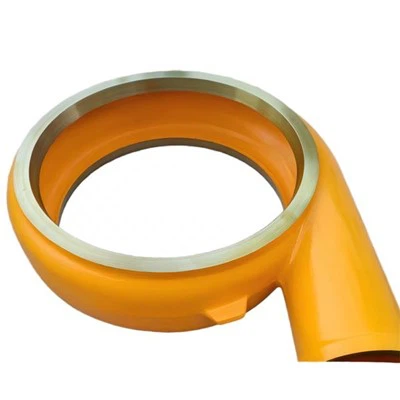
The pump casing is another important component. It houses the impeller and helps to direct the flow of slurry. Check the casing for any signs of damage, such as cracks or holes. A damaged casing can cause leaks and reduce the pump’s performance. If you find any issues with the casing, you might need to repair or replace it.
Shaft and Bearings
The pump shaft and bearings are responsible for rotating the impeller. Over time, the shaft can become worn or bent, and the bearings can wear out. Check the shaft for any signs of damage or misalignment. You can use a dial indicator to check the shaft’s concentricity. If the shaft is bent or worn, it will need to be replaced.
The bearings should be checked for smooth operation. If you hear any grinding or squeaking noises coming from the bearings, it’s a sign that they might be worn. You can also check the bearings for play. If there’s too much play in the bearings, it can cause the shaft to vibrate and reduce the pump’s performance. Replace the bearings if they’re worn or damaged.
4. Look for Signs of Abrasion and Erosion
Slurry pumps are constantly exposed to abrasive materials, so abrasion and erosion are common problems.
Impeller and Casing Wear
As I’ve said before, the impeller and casing are particularly susceptible to wear. Check the impeller and casing for signs of erosion, which can look like grooves or pits on the surface. If the wear is severe, it can affect the pump’s performance and efficiency. You might need to replace these components to restore the pump’s functionality.
Sealing Surfaces
The sealing surfaces of the pump, such as the mechanical seals and gaskets, can also be affected by abrasion. Abrasion can cause leaks, which can lead to a drop in pressure and reduced efficiency. Inspect the sealing surfaces for any signs of wear and replace the seals or gaskets if necessary.
5. Consider the Operating Environment
The operating environment can have a big impact on the performance of a slurry pump.
Temperature
High temperatures can affect the viscosity of the slurry and the performance of the pump’s components. If the temperature is too high, the slurry can become more viscous, which can make it harder for the pump to move. Check the temperature of the slurry and make sure it’s within the pump’s recommended operating range. You might need to cool the slurry if the temperature is too high.
Corrosion
If the slurry contains corrosive materials, it can damage the pump’s components over time. Look for signs of corrosion, such as rust or discoloration, on the pump’s casing, impeller, and other components. If you find any signs of corrosion, you might need to use a pump made from corrosion-resistant materials or apply a protective coating to the pump’s components.
6. Seek Professional Help
If you’ve gone through all these steps and still can’t figure out what’s wrong with the slurry pump, it might be time to seek professional help. You can contact the pump’s manufacturer or a qualified technician. They have the expertise and tools to diagnose and fix more complex problems.
Well, that’s my rundown on how to troubleshoot a slurry pump that’s not working properly. If you’re in the market for a new slurry pump or need replacement parts, don’t hesitate to reach out. We’ve got a wide range of high-quality slurry pumps and components to meet your needs. Get in touch with us for a chat about your requirements and let’s see how we can help you get your operations running smoothly again.
Slurry Pump References
- Slurry Pump Operation and Maintenance Manuals
- Industry Publications on Pump Technology
Shijiazhuang Ruite Pump Co., Ltd.
Shijiazhuang Ruite Pump Co., Ltd. is one of the most experienced slurry pump manufacturers and suppliers in China. Please rest assured to wholesale high quality slurry pump made in China here from our factory. For price consultation, contact us.
Address: Majuan village, Nandong town, Gaocheng, Shijiazhuang, China
E-mail: info@ruitepump.com
WebSite: https://www.rtslurrypump.com/
