Yo, what’s up everyone! I’m here today to chat about something really interesting in our biz – the electrical conductivity properties of some filter meshes. As a filter mesh supplier, I’ve seen and learned a whole bunch about these things over the years, and I’m super stoked to share some of that knowledge with you. Filter Mesh
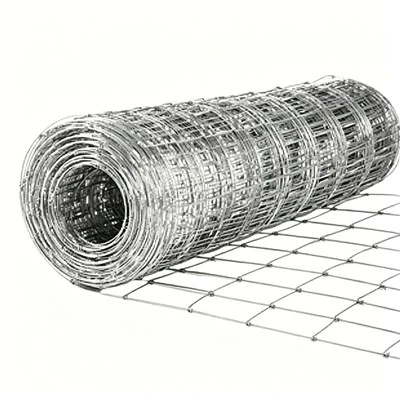
First off, let’s get into what filter meshes are. You can think of them as a sort of screen or net made up of tiny wires or fibers. They’re used in a ton of different industries for all kinds of purposes, like separating solids from liquids, filtering out particles from the air, and even in some high – tech applications. Now, when it comes to electrical conductivity, not all filter meshes are created equal.
Let’s start with metallic filter meshes. Metals are generally pretty good conductors of electricity. Copper, for example, is one of the most common materials used in filter meshes when conductivity is a key factor. Copper has a high electrical conductivity because it has a lot of free electrons. These electrons can move around easily within the metal lattice. When an electric field is applied, these free electrons start to flow, creating an electric current.
We often supply copper filter meshes to clients in the electronics industry. They use them in things like electromagnetic shielding. In electronic devices, there can be a lot of electromagnetic interference (EMI) from different components. A copper filter mesh can act as a shield, blocking unwanted EMI signals. The high electrical conductivity of copper allows it to quickly conduct and dissipate these electromagnetic waves, protecting the sensitive electronics inside the device.
Another popular metallic option is stainless steel. Stainless steel filter meshes are also conductive, but their conductivity is lower compared to copper. The reason for this is that stainless steel is an alloy, which means it’s made up of different elements like iron, chromium, and nickel. These different elements can disrupt the flow of electrons to some extent. However, stainless steel has other great properties. It’s highly resistant to corrosion, so it’s a great choice for applications where the filter mesh will be exposed to harsh environments, like in chemical processing plants or in marine applications. Even with its lower conductivity, it can still be used in some electrical applications where corrosion resistance is more important than high – level conductivity.
Now, let’s talk about non – metallic filter meshes. These are usually made from materials like nylon, polyester, or fiberglass. In general, non – metallic materials are insulators, which means they don’t conduct electricity well. Nylon and polyester filter meshes are commonly used in applications where electrical conductivity is not a concern, like in air filtration systems for homes or in the food and beverage industry for filtering liquids.
However, there are some special cases where non – metallic filter meshes can be made to have some level of conductivity. For example, carbon – loaded polymers. These are polymers (like nylon or polyester) that have been mixed with carbon particles. The carbon particles provide a path for electrons to move, giving the filter mesh some electrical conductivity. These carbon – loaded non – metallic filter meshes are used in applications where you need a combination of the flexibility and chemical resistance of polymers, along with a little bit of electrical conductivity. For instance, they can be used in anti – static applications. In some industrial settings, static electricity can build up on surfaces and cause problems like attracting dust or even causing sparks. A carbon – loaded filter mesh can help to dissipate this static charge, reducing the risk of these issues.
The electrical conductivity of filter meshes can also be affected by the mesh size. A finer mesh, with smaller openings between the wires or fibers, generally has a higher surface area. This can increase the contact between the conductive material and the electrical current, potentially increasing the conductivity. On the other hand, a coarser mesh may have less surface area, which could lead to lower conductivity. But it’s not always that simple. In some cases, a coarser mesh might allow for better flow of electrons in certain directions, depending on the application.
Temperature also plays a role in the electrical conductivity of filter meshes. For most metals, as the temperature increases, the electrical conductivity decreases. This is because the increased temperature causes the atoms in the metal to vibrate more vigorously. These vibrations can interfere with the flow of electrons, making it harder for the current to pass through. For non – metallic materials with some conductivity, like carbon – loaded polymers, the effect of temperature can be more complex. In some cases, a small increase in temperature might actually increase the conductivity slightly, but at very high temperatures, the polymer matrix can start to break down, which will reduce the conductivity.
When it comes to choosing the right filter mesh based on its electrical conductivity properties, it really depends on the specific application. If you’re working on a project that requires high – level conductivity, like in a high – speed data transmission line, then a copper filter mesh is probably your best bet. But if you need something that can withstand harsh chemicals and still have some basic conductivity, a stainless steel or a carbon – loaded polymer filter mesh might be more suitable.
As a filter mesh supplier, I’ve helped a lot of clients figure out the best filter mesh for their needs. Whether you’re in the electronics, chemical, food, or any other industry, we’ve got a wide range of options to choose from. And we’re not just about selling the product; we’re here to offer our expertise and advice. We can help you understand the electrical conductivity properties of different filter meshes and how they’ll work in your specific application.
If you’re in the market for filter meshes and want to learn more about their electrical conductivity or any other properties, don’t hesitate to reach out. We can have a chat, go over your requirements, and find the perfect solution for you. Whether it’s a small – scale project or a large – scale industrial application, we’re here to assist.
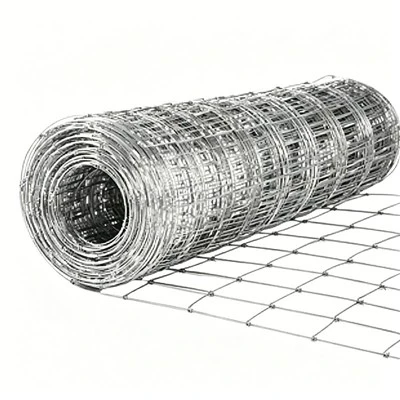
So, if you’re interested in getting the right filter mesh for your electrical or non – electrical applications, just drop us a line. We’re looking forward to working with you and helping you achieve your project goals.
Filter Mesh References:
- "Electrical Conductivity of Metals and Alloys" – Materials Science textbooks
- "Polymer Composites with Electrical Conductivity" – Journal of Polymer Science
- "Filter Mesh Applications in Different Industries" – Industry – specific trade magazines
Hengshui Anbang Road and Bridge Material Co., Ltd.
As one of the most professional filter meshmanufacturers and suppliers in China, we’re featured by quality products and good service. Please rest assured to wholesale bulk customized filter mesh from our factory. For pricelist, contact us now.
Address: Zhaobazhuang Wire Mesh Industrial Park, Shenzhou City, Hengshui City, Hebei Province
E-mail: 857732879@qq.com
WebSite: https://www.cnanbang.com/
