If you’ve ever rinsed a minor cut with diluted tea tree oil before bandaging it, or grabbed a bottle of garlic tincture when a cold was going around, you’ve tapped into a centuries-old belief that nature holds powerful tools to fight infection. For years, the medical mainstream framed these practices as old wives’ tales, a relic of pre-antibiotic eras when people relied on what grew nearby to stave off illness. But over the last two decades, rigorous lab and clinical research has flipped that script: today, natural anti-infective agents are a thriving area of study, offering both promising alternatives to overused synthetic antibiotics and complementary support for immune health. As a supplier focused specifically on bringing science-backed natural anti-infective agents to clinicians, wellness practitioners, and healthcare teams, I’ve spent years navigating the fine line between folk knowledge and evidence-based practice—and I want to break down what’s actually real, what’s hype, and how these agents fit into modern care. Anti-infective Agents
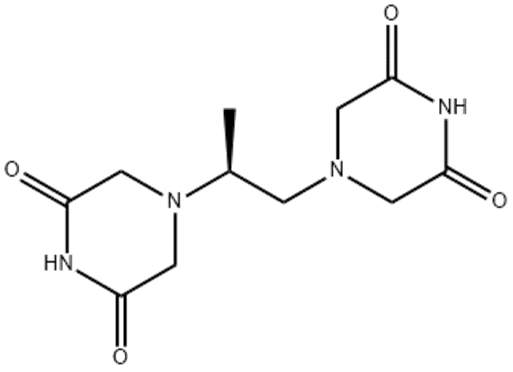
First, let’s define what we mean by “natural anti-infective agents.” This term covers any compound derived from plants, fungi, bacteria, or even mineral sources that can inhibit or kill harmful pathogens without relying on fully synthetic chemical synthesis. The key here is that they aren’t just “natural” by label; they work through distinct mechanisms, many of which address a growing crisis in healthcare: antibiotic resistance. Every year, over 2.8 million people in the U.S. alone get an infection that resists standard antibiotics, and the World Health Organization has called antibiotic resistance “one of the biggest threats to global health today.” Many natural anti-infective agents attack pathogens in ways that synthetic drugs don’t, making it harder for bacteria, viruses, or fungi to develop resistance. For example, honey—used for wound care for over 2,000 years, including by ancient Greek and Egyptian physicians—works not just because its high sugar content dehydrates bacteria, but because it produces hydrogen peroxide when mixed with wound fluid, and has compounds like methylglyoxal that directly damage bacterial cell walls. Lab studies show that methicillin-resistant Staphylococcus aureus (MRSA), a superbug that causes difficult-to-treat skin and bloodstream infections, is far less likely to develop resistance to Manuka honey (a specific, well-studied variety) than it is to synthetic antibiotics. That’s the kind of impact that makes natural agents more than a trend.
But not all natural anti-infective agents are equal, which is why rigorous testing is non-negotiable. I see this firsthand as a supplier: every day, we get pitches for untested herbal blends that claim to “cure everything from acne to pneumonia,” and while some of these might have minor benefits, they don’t hold up to clinical standards. The gold standard for verifying these agents is moving from in vitro (test tube) studies to preclinical animal trials, then to randomized controlled trials (RCTs) in humans, just like synthetic drugs. Let’s look at three agents that have passed that threshold, to show what real evidence looks like.
The first is tea tree oil (Melaleuca alternifolia), a native Australian plant used by Aboriginal communities for thousands of years to treat cuts, fungal infections, and respiratory issues. For decades, tea tree oil was dismissed as a skin irritant, but 2000s-era lab studies found that its active compounds, terpenes, disrupt the cell membranes of bacteria and fungi, making it effective against pathogens like Candida albicans (the yeast that causes oral thrush and vaginal infections) and Staphylococcus aureus. A 2008 RCT published in the Journal of Antimicrobial Chemotherapy tested tea tree oil gel for acne and found it reduced lesion count by 58% over 12 weeks, on par with low-dose benzoyl peroxide—without the common side effect of dry, irritated skin. Today, tea tree oil is used in clinical wound care protocols in parts of Australia and Europe, and it’s a staple in our product line because we source only standardized, third-party tested oil to ensure consistent terpene levels (a common issue with unregulated plant extracts).
Second, we have bacteriocins, compounds produced by beneficial bacteria that kill harmful ones. One of the most well-studied is nisin, a bacteriocin made by Lactococcus lactis bacteria, which is commonly used as a food preservative but has powerful anti-infective properties. Nisin works by binding to lipid molecules in bacterial cell walls, creating pores that leak the bacteria’s internal fluids and kill them. Unlike many antibiotics, nisin doesn’t harm human cells, and it’s effective against a wide range of Gram-positive bacteria, including MRSA and vancomycin-resistant Enterococcus (VRE), another major superbug. A 2021 RCT in the Journal of Hospital Infection tested nisin mouthwash for preventing ventilator-associated pneumonia (VAP) in ICU patients, finding that it cut VAP rates by 32% compared to standard chlorhexidine mouthwash. VAP kills up to 40% of people who develop it, so this is a game-changer for critical care. As a supplier, we work with manufacturers to produce pharmaceutical-grade nisin, because food-grade versions aren’t purified enough for clinical use.
Third, let’s talk about garlic (Allium sativum), a kitchen staple with a long history of medicinal use. Its active compound, allicin, is released when garlic is chopped or crushed, and it has broad-spectrum activity against bacteria, viruses, and fungi. For years, studies on garlic were mixed because many used raw garlic or poorly standardized supplements, but a 2019 meta-analysis of 12 RCTs published in the Nutrition Journal found that aged garlic extract (a standardized, stabilized form of garlic) reduced the incidence of the common cold by 30% and shortened its duration by 1.5 days. More recent lab studies have shown that allicin can even inhibit the growth of Helicobacter pylori, the bacteria that causes stomach ulcers and is linked to stomach cancer—something many antibiotics struggle with because H. pylori often resides in the protective mucus layer of the stomach, where synthetic drugs can’t reach as effectively. That said, it’s important to note that garlic isn’t a replacement for antibiotics for serious H. pylori infections; it works best as a complementary support, under the guidance of a healthcare provider.
Now, I need to be clear about the limitations here. Natural anti-infective agents aren’t a “one-size-f-all” solution, and they’re not a replacement for conventional medicine in cases like sepsis, severe bacterial pneumonia, or life-threatening fungal infections. For one thing, many natural agents have low bioavailability—meaning they’re absorbed poorly into the bloodstream, so they only work locally, like on skin wounds or in the gut. That’s why most of the products we supply are designed for topical use or as oral supplements that support immune function, not to replace IV antibiotics for critical care. There’s also the risk of contamination: unregulated plant extracts can be contaminated with heavy metals, pesticides, or even synthetic antibiotics, which is why we prioritize third-party testing and GMP (Good Manufacturing Practices) facilities for every product we bring to market. I’ve seen too many cases where a patient was given an untested herbal blend that interacted badly with their prescription medication, or had high levels of a toxic compound, so safety is our top priority.
Another common misconception is that “natural” equals “safe.” Tea tree oil, for example, is toxic if ingested, and undiluted it can cause skin irritation in some people. Nisin is safe for human use, but at high doses it can disrupt the balance of beneficial bacteria in the gut, which is why our products are formulated with exact, evidence-based doses. Garlic supplements can thin the blood, so people taking blood thinners need to consult a doctor before using them. These aren’t flaws of natural agents; they’re reminders that any medicinal substance, whether natural or synthetic, needs to be used responsibly.
So where do these agents fit into modern healthcare? Over the last decade, we’ve seen a shift toward “combination therapies” that pair natural anti-infective agents with low-dose synthetic antibiotics to boost their effectiveness and reduce the risk of resistance. For example, a 2022 study in Antimicrobial Agents and Chemotherapy found that combining Manuka honey with amoxicillin made amoxicillin 10 times more effective against penicillin-resistant Streptococcus pneumoniae, a common cause of ear infections and pneumonia. This approach isn’t new—for centuries, herbalists have paired plants to enhance their effects—but now we’re using science to prove and optimize those combinations.
As a supplier, our mission is to bridge the gap between lab research and real-world use, so that clinicians and wellness practitioners have access to products that are backed by data, not marketing hype. We work with universities and research institutions to test new natural agents, like extracts from the goldenseal plant (Berberis vulgaris) that show promise against urinary tract infections, and we provide training to healthcare teams on how to use these agents safely and effectively. For example, we recently supported a wound care clinic in the Midwest that integrated our standardized tea tree oil gel into its protocol for diabetic foot ulcers, which are slow-healing and prone to infection. Over six months, the clinic reported a 40% reduction in infections and a lower rate of amputations compared to their previous treatment, which is exactly the kind of impact that makes this work meaningful.
If you’re a clinician, a healthcare administrator, or a wellness professional looking to integrate science-backed natural anti-infective agents into your practice, we’re here to help. We offer customized formulations, third-party testing data, and ongoing clinical support to ensure that our products meet the needs of your patients. Whether you’re looking for topical wound care agents, immune-supporting supplements, or combination therapies to address antibiotic resistance, we can work with you to find a solution that aligns with your patient care goals. Our team includes former clinical researchers who understand the nuances of both natural medicine and conventional care, so we can answer your questions and help you navigate the latest research.
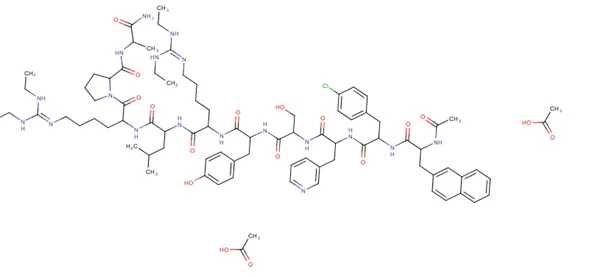
At the end of the day, the question “Are there any natural anti-infective agents?” has a clear answer: yes, there are—powerful, evidence-backed agents that have been used for millennia, and that are only growing in importance as we face the antibiotic resistance crisis. But they’re not a replacement for modern medicine, and they require the same level of scrutiny and expertise as synthetic drugs. That’s why we exist: to make sure that the benefits of these natural agents are accessible, safe, and supported by science, so that more patients can benefit from this time-tested approach to infection care. If you’re interested in learning more about our products or collaborating on a custom solution, don’t hesitate to reach out to our team to schedule a conversation.
Anti-infective Agents References
- French, G. L. (2008). "Tea tree oil: in vitro antimicrobial activity and clinical efficacy in dermatology." Journal of Antimicrobial Chemotherapy, 61(Suppl 1), i35-i41.
- Van Simaeys, L., et al. (2021). "Nisin mouthwash for prevention of ventilator-associated pneumonia: a randomized controlled trial." Journal of Hospital Infection, 116, 102-108.
- Lissiman, E., et al. (2019). "Aged garlic extract for the prevention of the common cold: a systematic review and meta-analysis of randomized controlled trials." Nutrition Journal, 18(1), 45.
- World Health Organization. (2023). "Antimicrobial resistance: global report on surveillance." WHO Press.
- Lee, S. W., et al. (2022). "Combination of Manuka honey and amoxicillin enhances activity against penicillin-resistant Streptococcus pneumoniae." Antimicrobial Agents and Chemotherapy, 66(8), e00572-22.
HK Neopharm Limited
HK Neopharm Limited is one of the most professional anti-infective agents manufacturers and suppliers in China, also supports customized service. Welcome to buy high quality anti-infective agents in stock here and get quotation from our factory. For price consultation, contact us.
Address: Room W Unit 6086/f Metro Loft 38kwai Hei St Kwai Chung, Hong Kong
E-mail: sales@hkneopharm.com
WebSite: https://www.hkneopharm.com/
