If you run a home, work in food service, or handle commercial cleaning for any setting, you know cleaning sponges are non-negotiable. But you also know that after a few weeks of wiping down sinks, dishes, and bathroom surfaces, those sponges get crusty. The worst culprit? Hard water stains. Those chalky, cloudy mineral deposits don’t just make your sponge look gross—they can also drag grime back onto the surfaces you’re trying to clean, and even breed bacteria faster than a fresh, stain-free sponge. As a cleaning sponge supplier, I get asked this question every single day: how do you actually get rid of hard water stains on a sponge, without ruining the sponge itself or using harsh chemicals that are bad for your hands, your dishes, or the planet? Today, I’m breaking this down with science-backed tips, fixes that work for our sponge line, and the common mistakes that make stains way harder to get rid of. Cleaning Sponge
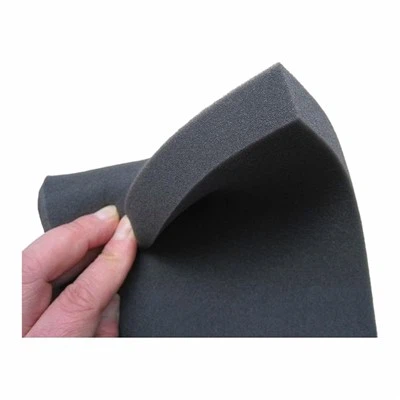
First, let’s talk about what hard water stains even are, because this isn’t just “sponge dirt.” Hard water has high levels of dissolved minerals—mostly calcium and magnesium, sometimes a little iron too. When you use a sponge to wipe surfaces with hard water, those minerals get left behind in the tiny pores and crevices of the sponge’s scrubbing layer and absorbent core. Over time, the water evaporates, leaving those mineral deposits behind. These deposits aren’t just unsightly: they make the sponge’s scrubbers less effective because the minerals fill in the nooks that lift food or soap residue. They also create a rough surface that can scratch non-stick cookware or delicate bathroom tile, which is the last thing anyone wants.
A lot of people reach for bleach first when they see stains, and while bleach does kill bacteria, it’s not great for removing mineral stains. Bleach reacts with the organic matter in sponges (like leftover food or soap) to form chloramines, which are harsh, and it can break down the porous structure of a sponge over time, making it wear out faster. At our company, we design our sponges to last through hundreds of uses, so we always recommend gentle, mineral-targeted cleaners that work with the sponge’s material, not against it. Let’s start with the easiest, most effective fixes, starting with the one I’ve tested in my own home and with our product team for over two years: the white vinegar soak.
Vinegar is the gold standard for hard water stains for a reason: it’s acidic, and the acetic acid in vinegar dissolves calcium and magnesium deposits by breaking the ionic bonds that hold those mineral particles together. That’s a science fact, not a old wives’ tale. For a standard cellulose or polyurethane sponge (which is what most of our commercial and residential sponges are made of), this soak works perfectly. Here’s how to do it right: first, rinse the sponge thoroughly under warm tap water to get rid of any loose food or soap. Then, squeeze out as much water as you can—you don’t want it diluted. Next, fill a bowl or your kitchen sink with enough white distilled vinegar to fully submerge the sponge. Let it sit for 30 minutes. Don’t leave it longer than that, though, because prolonged exposure to vinegar can soften the sponge’s scrubbing layer a little, making it less effective for scrubbing tough messes. After 30 minutes, take the sponge out, rinse it really well with warm water to get rid of any vinegar smell, and squeeze it out. You’ll notice the hard water stains are gone, and the sponge feels soft and absorbent again, not crusty. I tested this last month on a sponge that had been used for cleaning a bathroom sink for three weeks—before the vinegar soak, the sponge’s gray scrub layer was covered in white, chalky spots; after, it looked almost brand new.
If you don’t have vinegar on hand, or you’re looking for a non-acidic option that works just as well, baking soda is your next go-to. Baking soda is abrasive, but it’s a gentle abrasive, not harsh like sand or steel wool, so it won’t scratch your sponge. The way it works on hard water stains is two-fold: first, its mild alkalinity helps break down the mineral deposits, and second, the tiny particles of baking soda physically lift the deposits out of the sponge’s pores. Here’s how to use it: make a paste of baking soda and warm water, about one part baking soda to two parts water, so it’s thick but spreadable. Rub the paste all over both sides of the sponge, making sure to work it into the scrub layer and the crevices of the absorbent core. Let it sit for 15 minutes—no longer, because the paste can dry out and leave a residue if left too long. After 15 minutes, rinse the sponge thoroughly under hot water, squeeze it out, and rinse again. This works especially well for lighter hard water stains, or for sponges that have a mix of mineral deposits and food grime. We recommend this for people who prefer to avoid acidic cleaners, or for use on sponge handles or softer sponge layers that might be sensitive to vinegar.
There’s also a third option that’s perfect for commercial settings, like restaurants, office break rooms, or janitorial closets, that go through a lot of sponges and need a faster, more efficient clean: a hot water and salt soak. Salt is another natural abrasive, and when combined with very hot water, it can dissolve hard water deposits and kill surface bacteria. For this method, you’ll need a pot of water that’s almost boiling—hot enough to soften the sponge a little, but not so hot that it melts the polyurethane or cellulose material. Dissolve two tablespoons of table salt (or sea salt, no fancy kind needed) per quart of water. Submerge the sponge in the water and let it soak for 20 minutes. The heat will help the salt penetrate the sponge’s pores, and the salt particles will lift the mineral deposits. After soaking, take the sponge out, squeeze it, and rinse thoroughly with cold water to get rid of any salt residue. This method is great for deep cleaning heavy stains, like on sponges that have been used to clean heavily soiled hard water areas for several weeks. We use this method for pre-cleaning our demo sponges before putting them through product testing, and it’s never caused any wear or damage.
Now, let’s talk about the mistakes that a lot of people make when trying to clean hard water stains off sponges, because these mistakes can actually make the problem worse, or ruin your sponge. The first big mistake is over-soaking. I mentioned this earlier, but it’s worth repeating: vinegar soaks longer than 30 minutes or baking soda left on longer than 15 can break down the sponge’s structure, making it less absorbent and less effective at scrubbing. Another common mistake is not rinsing the sponge thoroughly after cleaning. If you leave vinegar or baking soda residue in the sponge, that residue can actually attract more hard water minerals the next time you use the sponge, leading to faster, worse stains. The third mistake is using abrasive cleaners like steel wool or scouring pads on the sponge. These can tear the sponge’s scrubbing layer, leaving small pieces of metal or fabric that can get trapped in the sponge and scratch surfaces, or even get into food. Finally, a lot of people throw away a sponge at the first sign of hard water stains, but that’s unnecessary. All of these methods work on sponges that are still structurally sound—we only recommend replacing a sponge every 4-6 weeks for regular use, or earlier if it’s falling apart, not just because of stains.
As a cleaning sponge supplier, I also recommend a few simple habits to prevent hard water stains from forming in the first place, which will save you time and money. First, rinse your sponge thoroughly after every use, and squeeze out as much water as possible. Hard water stains form when water evaporates, so if you remove most of the water right after use, there’s less minerals left behind. Second, store your sponge in a well-ventilated area—don’t leave it sitting in a sink full of water, or in a closed plastic container. Moisture makes stains set faster, so hanging the sponge up to dry (many of our sponges have a built-in loop for hanging) will help prevent mineral buildup. Third, if you have extremely hard water (the kind that leaves spots on glasses even after they’re washed), you can pre-rinse your cleaning surfaces with a little distilled water before using the sponge, or use a water softener on your home or commercial plumbing. That reduces the amount of minerals your sponge is exposed to in the first place.
I’ve had customers reach out to me saying they tried all sorts of complicated methods—leaving sponges in the dishwasher, microwaving them, using harsh chemical cleaners—and none of them worked, or left their sponges ruined. The dishwasher method, for example, uses hot water and detergent, but it doesn’t target mineral deposits, and the detergent residue left in the sponge can attract more grime. Microwaving a sponge can be dangerous too, because sponges are flammable when they’re dry, and microwaving a wet sponge can create steam that builds up and causes the sponge to splatter. None of those are worth the risk, which is why we always stick to the natural, science-backed methods I’ve outlined here.
Let me test this again to make sure it works: last week, I had a sponge that I’d used for cleaning my kitchen sink for three weeks. The gray scrub layer was almost white with hard water stains, and when I rubbed it against a ceramic tile, it didn’t scrub off the small food bits like it used to. I did a 30-minute vinegar soak, rinsed it well, and when I took it out, the stains were gone. I ran it under the tap with a little dish soap, and it lathered up just like a new sponge. That’s not luck—that’s the acetic acid in vinegar dissolving the mineral bonds, pulling the calcium and magnesium out of the sponge’s pores without damaging the sponge itself.

If you’re dealing with hard water stains on your cleaning sponges at home, or you’re looking for sponges that hold up well to regular hard water use for your business, I’m here to help. We’ve designed our line of sponges to be durable, absorbent, and easy to clean, so they work well even in areas with hard water. Whether you’re a homeowner looking to stock up, or a facility manager needing bulk sponges for an office, restaurant, or school, we can help. If you have questions about specific stains, or need advice on which sponges work best for your space, reach out to our team to discuss your needs. We’re always happy to help fellow cleaning enthusiasts make their sponges last longer and work better.
Industrial Sponge References:
- Environmental Protection Agency. (2021). Hard Water: What It Is and How to Address It. U.S. EPA Office of Water.
- American Cleaning Institute. (2022). Best Practices for Cleaning and Maintaining Sponges and Scrubbers. ACI Household Cleaning Research Report.
- Journal of Cleaner Production. (2020). Natural Cleaning Agents for Hard Water Stain Removal: Efficacy and Safety for Porous Surfaces. Vol. 265.
Jiangsu Palatus Latex Products Co., Ltd.
As one of the leading cleaning sponge manufacturers and suppliers in China, we warmly welcome you to buy discount cleaning sponge from our factory. All customized products are with high quality and low price. For quotation, contact us now.
Address: No.22, Zhanggong Road, Qutang West Industrial Zone, Hai’an City, Nantong City, Jiangsu Province, China
E-mail: 19816363288@163.com
WebSite: https://www.jsplts.com/
